


Build Your Online Store with Expert E-commerce Web Design by Shopify Ecommerce Experts
By Mustafa Sharif, Marketania
Building an online store requires more than a basic website; it needs a data-driven design that turns visitors into customers. This guide describes how expert e-commerce web design increases sales, improves customer experience, and supports scalable growth. Learn the benefits of custom design, the leading platforms in 2023, and how tailored solutions overcome template limitations.
Key Takeaways
- Custom e-commerce web design enhances user experience, increasing customer satisfaction and retention for small businesses.
- Tailored online stores promote brand differentiation, helping businesses stand out in competitive digital marketplaces.
- Scalable e-commerce designs allow seamless expansion to accommodate new products and features as businesses grow.
- Personalized user experiences, like product recommendations, significantly boost conversion rates and customer loyalty.
- Optimized functionality, including fast loading and secure payments, improves operational efficiency and customer trust.
- Top e-commerce platforms in 2023 include Shopify, WooCommerce, and BigCommerce, each offering unique features for growth.
- Small businesses should prioritize platforms with strong integration, scalability, and inventory management capabilities.
- Integrating reliable payment gateways and streamlining checkout processes reduce cart abandonment and enhance user experience.
- Free consultations with Shopify experts provide tailored strategies that drive sustained growth and improve customer engagement.
What are the Key Benefits of Custom Ecommerce Website Design for Small Businesses?
Custom e-commerce design gives small businesses measurable advantages: clearer user journeys for faster product discovery, reinforced brand identity to stand out, and scalable architectures that prevent costly rebuilds as products and traffic increase.
Below is a concise comparison of the primary benefits associated with custom e-commerce website design and their business impact.
| Benefit | Description | Impact Level |
|---|---|---|
| Enhanced User Experience | Tailored designs improve customer satisfaction and retention | High |
| Brand Differentiation | Unique features help stand out in a competitive market | High |
| Scalability | Designs that grow with your business can accommodate new products easily | Medium |
Small businesses can amplify these benefits with complimentary expert advice. Marketania, a lead-generation specialist, offers free consultations and guidance on applying custom e-commerce design within a practical growth plan.
Why Tailored Ecommerce Solutions Drive Customer Trust and Performance

Tailored e-commerce solutions build trust and improve performance by aligning design and functionality with customer behaviour. When a site reflects user expectations, friction falls and repeat purchases increase.
Tailored User Experiences
Personalised journeys—product suggestions and targeted content—raise engagement and conversion by matching user intent.
Enhanced Brand Identity
Consistent visuals, colour palettes, and typography create recognisable branding that builds credibility and encourages interaction.
Optimized Functionality
Reliable performance—fast pages, secure payment flows, and clear returns—reduces friction and supports long-term customer relationships.
Which Are the Best Ecommerce Platforms for Building Your Online Store in 2023?
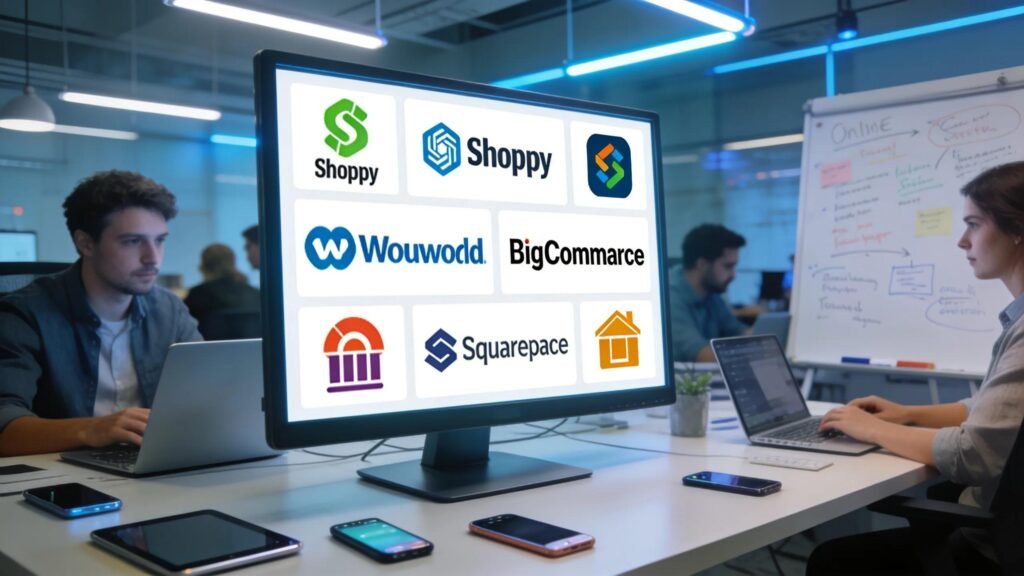
In 2023, evaluate platforms by features, integrations, and scalability to match your growth goals.
- Shopify: Known for robust features and scalability, Shopify lets businesses build attractive stores quickly.
- WooCommerce: An open-source WordPress plugin, WooCommerce offers deep customisation for those needing control.
- BigCommerce: With strong SEO tools and built-in capabilities, BigCommerce supports high-volume growth.
Each platform fits different technical needs and business sizes; choose the one aligned to your operational and marketing priorities.
What Features Should a Small Business Look for in an Ecommerce Platform?
Prioritise inventory management, analytics, marketing integrations, and smooth connections to payment gateways, CRM, and logistics partners so the platform scales with traffic and product growth.
How to Build Your Online Store: Expert Steps for Effective Ecommerce Web Design
Build stores through a structured process that aligns layout, navigation, product presentation, and testing. Iterative optimisation ensures a cohesive shopping journey that converts.
How to Integrate Payment Gateways and Optimize User Experience in Your Store?
Choose reputable processors, secure transactions, and streamline checkout to reduce abandonment. Clear payment options and simple flows increase completed purchases.
- Select Reliable Payment Gateways: Use trusted processors to enhance security and customer confidence.
- Ensure Secure Transactions: Implement SSL and PCI-compliant processes to protect customer data.
- Optimize User Experience: Provide intuitive navigation and obvious calls to action to guide shoppers efficiently.
How Can Small Businesses Benefit from a Free Ecommerce Consultation with Shopify Experts?
A free consultation gives focused, practical recommendations to improve your setup, refine user experience, and align strategy with market trends and customer behaviour.
Consultants translate insights into actionable steps—prioritised fixes and optimisations that drive measurable improvements in traffic, conversions, and engagement.
How Consultation Leads to Sustained Growth and Loyal Customer Conversion
Consultation provides both immediate improvements and a roadmap for long-term growth. Ongoing reviews with experts help maintain competitiveness and convert satisfied customers into repeat buyers.
Frequently Asked Questions
1. How important is mobile optimization for e-commerce websites?
Mobile optimisation is essential as many customers shop on smartphones. A mobile-friendly site improves navigation and purchase flows and is favoured by search engines, boosting visibility and conversions.
2. What are the common mistakes small businesses make when designing their e-commerce sites?
Common mistakes include poor navigation, slow load times, lack of mobile optimisation, weak branding, missing secure payments, and neglecting SEO. Fixing these issues improves trust and performance.
3. How can small businesses effectively promote their online stores?
Use targeted social media, consistent content marketing, and email campaigns to nurture leads. Apply SEO best practices for organic traffic and consider paid ads to accelerate reach.
4. What role does customer feedback play in enhancing e-commerce websites?
Customer feedback reveals usability issues and product preferences. Regularly collecting and acting on feedback allows targeted improvements that increase satisfaction and loyalty.
5. Why is it important to have a secure payment processing system?
Secure payments protect customer data and build shopper confidence, increasing completion rates. Compliance with security standards also reduces breach risk and reputational damage.
6. How can I track the performance of my e-commerce website?
Use analytics tools like Google Analytics to monitor behavior, conversion rates, and sales. These metrics show which products and campaigns perform best and guide optimisation.
7. What customer support options should an e-commerce site offer?
Offer multiple channels—live chat, email, phone—and a clear FAQ or ticketing system. Fast, accessible support improves satisfaction and reduces operational load.
Conclusion
Investing in custom e-commerce web design improves visibility, trust, and growth. Tailored solutions differentiate your brand and ensure scalability. Book a free consultation with our Shopify experts for personalised strategies and a data-driven plan that supports sustained growth and better customer engagement.