


Identify and Fix Vulnerabilities with Comprehensive Security Audit Services for SMB Growth and Compliance
By Mustafa Sharif, Marketania
Small and medium-sized businesses face rising cybersecurity threats that can disrupt operations and harm reputation. A comprehensive security audit offers a structured, data-driven way to assess posture, detect weaknesses, and prioritise remediation to support growth and meet regulatory requirements.
Key Takeaways
- Comprehensive security audits identify vulnerabilities crucial for SMB growth and regulatory compliance.
- Regular security audits protect customer data, enhancing trust and preventing costly data breaches.
- Security audits ensure adherence to GDPR, HIPAA, and PCI DSS, avoiding legal penalties.
- Penetration testing simulates attacks to reveal security weaknesses and guide remediation efforts.
- Vulnerability scanning tools systematically detect IT infrastructure weaknesses for prioritized fixes.
- Tailored remediation plans align with business needs and risk severity for effective vulnerability resolution.
- Continuous monitoring and employee training strengthen overall security posture and proactive threat management.
- Engaging ethical hackers and IT consultants enhances audit benefits and incident response capabilities.
- Continuous digital risk assessment fosters sustained growth by maintaining secure environments and client trust.
Supporting SMB Growth
Security audits protect critical assets and reinforce customer confidence, helping SMBs absorb risks and preserve commercial momentum. A focused, data-led audit demonstrates commitment to security and supports scalable growth.
Marketania specialises in security-aware digital growth solutions that help SMBs identify and remediate vulnerabilities and strengthen operations.
Ensuring Compliance with Regulations
Audits reveal control gaps relative to standards like GDPR, HIPAA, and PCI DSS and recommend concrete adjustments to meet those obligations. Ongoing monitoring and expert consultation help maintain compliance over time.
Enhancing Overall Security Posture
Regular audits and continuous monitoring shift security from reactive to proactive, enabling targeted controls and faster remediation. Including employee awareness programs reduces human risk and embeds security into daily operations.
What Are Security Audits and Why Are They Essential for Vulnerability Identification?
Security audits review systems, policies, and processes to find vulnerabilities and test controls. They combine documentation review, risk assessment, and prioritized recommendations to close gaps and reduce exposure.
How Do Penetration Testing Services Uncover Security Weaknesses?
Penetration testing simulates attacks to reveal exploitable weaknesses and attack paths. Reports provide actionable remediation steps so teams can prioritise fixes that reduce real-world risk.
What Role Do Vulnerability Scanning Tools Play in Network Security Audits?
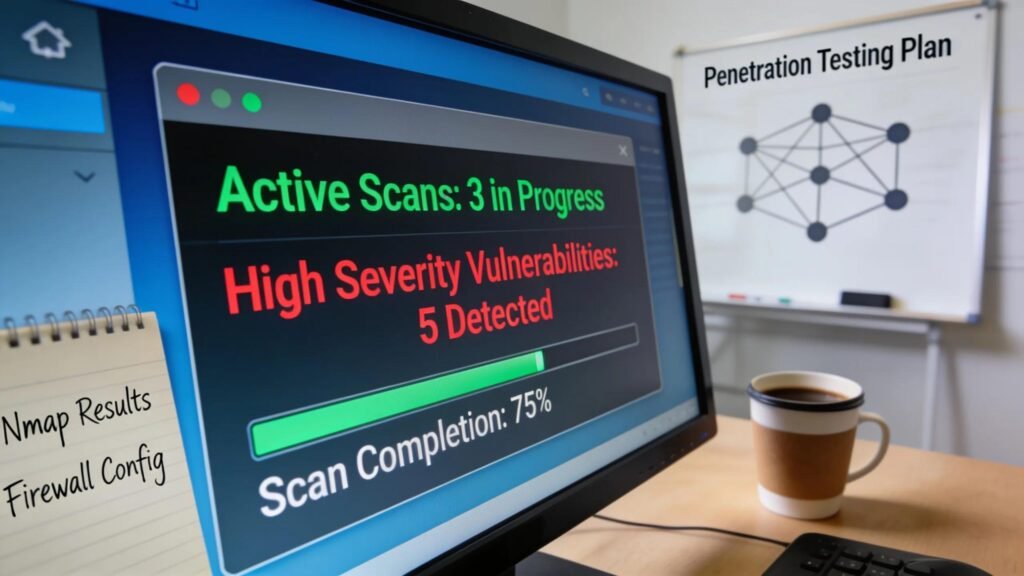
Scanning tools establish a baseline of known weaknesses across IT assets and support continuous checks for new issues. Detailed scan reports quantify risk and help teams prioritise remediation by severity and likely impact.
How Does a Cybersecurity Compliance Audit Support Risk Management and Regulatory Adherence?
Compliance audits identify gaps that increase organisational risk and map remediation to recognised security frameworks. The result is a practical roadmap that helps businesses manage risk while meeting regulatory obligations.
Which Compliance Standards Are Covered in Security Audit Services?
Security audits commonly cover HIPAA, GDPR, and PCI DSS; auditors map controls to these standards so SMBs can demonstrate compliance and protect sensitive data.
Aligning controls with industry requirements strengthens credibility with clients and regulators.
How Does Compliance Auditing Enhance Overall Cybersecurity Posture?
Compliance auditing surfaces vulnerabilities and produces prioritized, actionable remediation steps that feed continuous improvement. Making compliance part of everyday operations improves readiness and response.
What Are the Key Steps to Fix Vulnerabilities Revealed During Security Audits?
Remediation follows a simple cycle: detect, prioritise, fix, and verify. A repeatable process ensures that fixes are effective and that regressions are caught quickly.
- Conduct Vulnerability Scanning: Run focused scans to discover weaknesses.
- Prioritize and Remediate Issues: Rank findings by severity and impact, then remediate critical items first.
- Implement Continuous Monitoring: Maintain ongoing checks to ensure remediations remain effective.
Consistent execution of these steps helps maintain a defensible security stance without disrupting core business activities.
How Are Remediation Plans Tailored to Business Needs and Risk Severity?
Remediation plans should reflect business priorities, resource constraints, and the potential operational impact of each risk. Practical, staged recommendations make fixes achievable and business-aligned.
When Should Application Security Testing Be Integrated into the Remediation Process?
Integrate application security testing during remediation to validate fixes and provide immediate feedback. Embedding testing throughout the development lifecycle prevents regressions as applications evolve.
How Can Businesses Optimize Security Audit Benefits Through Expert IT Security Consulting?
IT security consultants enhance audit value with standards expertise, threat knowledge, and proven controls. They can support monitoring, compliance mapping, and incident response preparation to extend internal capabilities.
What Are the Advantages of Engaging Ethical Hacking Experts for Network Security Assessment?

Ethical hackers emulate attacker behaviour to reveal real attack paths and provide tailored mitigation plans aligned with compliance and operational priorities.
How Does Continuous Digital Risk Assessment Foster Sustained Growth and Trust?
Continuous risk assessment keeps environments secure, which builds client trust and supports growth. Real-time monitoring and proactive threat management demonstrate commitment to security and help retain customers.
Audit types deliver different benefits through distinct mechanisms.
| Audit Type | Key Focus | Benefits | Implementation Level |
|---|---|---|---|
| Compliance Audits | Regulatory compliance | Avoidance of legal penalties | High |
| Vulnerability Assessments | Identifying security loopholes | Proactive risk management | Medium |
| Penetration Testing | Simulating real-world attacks | Detailed vulnerability insights | High |
Understanding these differences helps businesses choose the right audit approach for their risk profile and operational needs.
Frequently Asked Questions
What should businesses expect during a security audit?
Expect a review of controls, policies, and systems, plus vulnerability scanning and targeted testing; auditors provide findings and prioritized recommendations.
How often should SMBs conduct security audits?
Annual audits are a baseline; organisations with sensitive data or major changes should audit more often or after significant events.
What are some common vulnerabilities identified in SMBs during audits?
Common issues include weak passwords, unpatched software, misconfigurations, limited employee training, and gaps in incident response plans.
How can employee training enhance the security audit process?
Training raises awareness of phishing and password hygiene, improves compliance understanding, and helps staff identify and report issues.
What tools are recommended for vulnerability scanning?
Tools such as Nessus, OpenVAS, and Qualys are commonly used; choice depends on organisational needs and existing frameworks.
What is the difference between vulnerability scanning and penetration testing?
Scanning finds known weaknesses automatically; penetration testing attempts to exploit weaknesses to show real-world impact. Both are complementary.
How do organizations ensure continuous improvement in security postures?
Combine scheduled audits, policy updates, ongoing training, and automation with a feedback loop that applies lessons learned from incidents.
Conclusion
Comprehensive security audits help SMBs find and fix vulnerabilities, meet compliance obligations, and strengthen client trust. Pair audits with expert consulting and continuous monitoring to maintain resilience as you grow.