


Create Engaging App Experiences with Expert UI/UX Design Principles to Optimize Mobile User Interaction
By Mustafa Sharif, Marketania
Delivering a remarkable app experience requires proven UI/UX principles and a data-driven approach. Prioritise usability, accessibility and visual clarity so users navigate intuitively, engage more often and return.
Key Takeaways
- Use UI/UX principles to improve usability, accessibility and engagement.
- Keep interfaces simple and navigation intuitive to lower learning curves.
- Design for accessibility: screen readers, alt text and good contrast.
- Balance aesthetics with clarity so visuals support tasks.
- Ensure responsive layouts and optimised assets for consistent performance.
- Increase engagement with gamification, personalised notifications and sharing.
- Optimize performance via asset management, caching and testing.
- Apply core principles: simplicity, consistency and clear feedback.
- Use usability testing and feedback loops to iterate improvements.
Usability
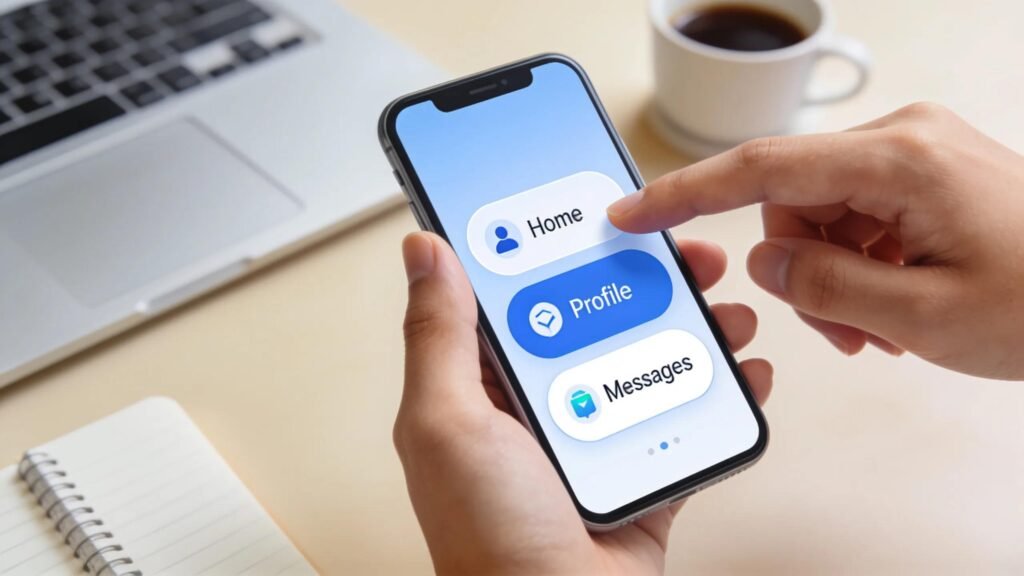
Usability measures how efficiently users complete tasks: clean interfaces, predictable navigation and task-focused screens reduce friction. Add iterative usability testing to validate patterns, find friction points and quantify improvements.
Accessibility

Design for diverse abilities by following recognised accessibility guidelines: support screen readers, provide meaningful alternative text and maintain sufficient colour contrast to expand reach and reduce barriers.
Aesthetics
Visual design shapes first impressions; use cohesive colour systems and disciplined typography to create hierarchy and guide attention while keeping interfaces functional and uncluttered.
Responsive Design
Responsive design preserves layout, readability and interaction patterns across devices. Adaptive layouts and optimised assets improve load times and consistency for users switching between phone, tablet and desktop.
User Engagement Strategies
Engagement tactics should align with user goals to increase retention and loyalty.
- Gamification: Add rewards and challenges to encourage repeat use.
- Personalized Notifications: Tailor reminders and messages to user behaviour.
- Social Sharing Features: Let users share accomplishments to boost reach.
Maximise impact by analysing behaviour and usage data to prioritise tactics that match user preferences.
Marketania offers expert UI/UX design services for apps focused on usability and performance optimization to support business growth in digital channels.
Performance Optimization
Slow apps drive abandonment; reduce resource demands, optimise assets, use caching and run regular performance tests to identify and fix bottlenecks for faster, more stable experiences.
What Are Core User Interface Design Principles for Mobile Apps?
Simplicity, consistency and feedback create clear, usable interfaces: simple layouts focus tasks, consistent components build familiarity and timely feedback confirms actions and reduces errors.
How Do Consistency and Simplicity Enhance App Usability?
They reduce cognitive load by making controls predictable, shortening learning time and improving satisfaction, credibility and repeat use.
Why Is Accessibility Vital in Mobile UI Design?
Accessibility expands reach, meets legal and ethical standards and empowers users with disabilities to complete tasks confidently, improving overall experience and loyalty.
How Can Mobile App Usability Testing Improve User Experience?
Usability testing reveals real-world issues and validates design choices; acting on results creates an iterative process that refines the product and improves retention.
What Methods Are Effective for Testing App Interaction Design?
Use a mix of methods to gather complementary insights.
- User Testing Sessions: Observe real users to find pain points and gather feedback.
- A/B Testing: Compare variations to see what improves engagement.
- Surveys and Feedback Forms: Collect user opinions to prioritise changes.
Combining these approaches produces actionable data for design prioritisation.
How Does Feedback from Usability Tests Drive Design Optimization?
Feedback creates a loop of observation, iteration and validation that helps decide whether minor tweaks or larger redesigns are required and measures impact against user metrics.
What Are Best Practices for Mobile User Experience in 2026?
Focus on personalisation, user-centric design and a cadence of meaningful updates to keep experiences relevant.
- Focus on AI-driven UX: Use AI to personalise experiences where appropriate.
- Prioritize User-Centric Designs: Let user needs guide functionality and flows.
- Regular Updates and Features: Keep the product fresh to maintain interest.
These practices help businesses adapt to evolving expectations and sustain growth.
Which UI/UX Design Tools Support Adaptive and Personalized App Experiences?
Use modern design tools to speed prototyping and collaboration.
- Sketch: Rapid wireframing and prototyping.
- Figma: Real-time collaboration and iteration.
- Adobe XD: Prototyping and sharing for workflows.
These tools support collaboration and faster iteration across design teams.
How Does User Journey Mapping Contribute to Sustained App Engagement?
Journey mapping visualises touchpoints and goals, revealing friction and opportunities to improve flows so teams can add targeted experiences that increase retention.
Why Choose Expert UI/UX Design Services to Foster App Growth?
Experts bring research-backed practices that translate into interfaces users prefer, speeding development and improving quality, retention and performance outcomes.
How Does Customized UI/UX Design Accelerate Business Digital Growth?
Customized UI/UX aligns product, brand and user expectations to create meaningful experiences that strengthen relationships and drive retention and referrals.
What Role Do Free Consultations Play in Client-Centric Design Approaches?
Free consultations surface goals and requirements early, shaping scope and expectations to reduce risk and align design outcomes with client objectives.
Frequently Asked Questions
What are the key elements of a successful mobile UI design?
Simplicity, clear hierarchy, intuitive interactions and responsiveness are essential to help users navigate quickly and confidently.
How can gamification improve user engagement in mobile apps?
Gamification introduces structured rewards and challenges that motivate repeat use when aligned with user goals.
What are the best methods for conducting usability testing?
Combine moderated sessions, remote unmoderated tests and A/B experiments to capture observational, natural and comparative data.
Why is continuous user feedback important in app development?
Continuous feedback uncovers evolving needs and issues early so teams can iterate before problems scale.
What are some common pitfalls to avoid in mobile app design?
Avoid cluttered interfaces, skipping user testing, overlooking accessibility and neglecting performance to reduce abandonment risk.
How does personalization enhance user experience in mobile apps?
Personalisation tailors content and interactions to preferences and behaviour, increasing relevance, satisfaction and retention.
What trends should designers consider for mobile apps in the coming years?
Watch augmented reality, AI and voice interfaces as they expand interaction options and support personalised, accessible experiences.
Conclusion
Applying expert UI/UX principles—grounded in usability, accessibility and measured testing—creates engaging mobile experiences that improve satisfaction and retention. Consider professional design support to align your app with user expectations and drive measurable growth.