
Unique Website Design Tailored to Your Brand and Business Needs
By Mustafa Sharif, Marketania
A distinctive website design helps a business stand out and supports measurable growth. Custom sites that reflect brand identity and business objectives improve user experience and conversion. Using data on industry trends and audience behavior keeps design choices focused and effective.
Key Takeaways
- Unique website design reinforces brand identity and business goals.
- Custom designs improve usability with responsive layouts and clear navigation.
- Tailored sites increase engagement through personalized experiences.
- Design aligned with brand identity builds trust and loyalty.
- Personalized websites give small businesses a competitive advantage.
- Development typically includes consultation, planning, coding, testing, deployment, and maintenance.
- Effective strategies combine SEO, mobile responsiveness, and cohesive visuals.
- Digital branding—consistent visuals and social integration—boosts visibility.
- Pricing varies by complexity and level of customization.
Unique Website Design
Unique website design combines responsive structure with visuals and features that express a brand’s character. Moving beyond templates, bespoke sites deliver clearer conversion paths and a more memorable user experience.
Design Strategies

Balance aesthetics and usability: prioritize responsive layouts, legible typography, cohesive color palettes, and mobile-first behavior to ensure consistent performance across devices.
User Experience (UX)
Good UX—fast loads, clear calls to action, and simple navigation—reduces bounce rates and guides visitors toward desired outcomes.
Branding Alignment
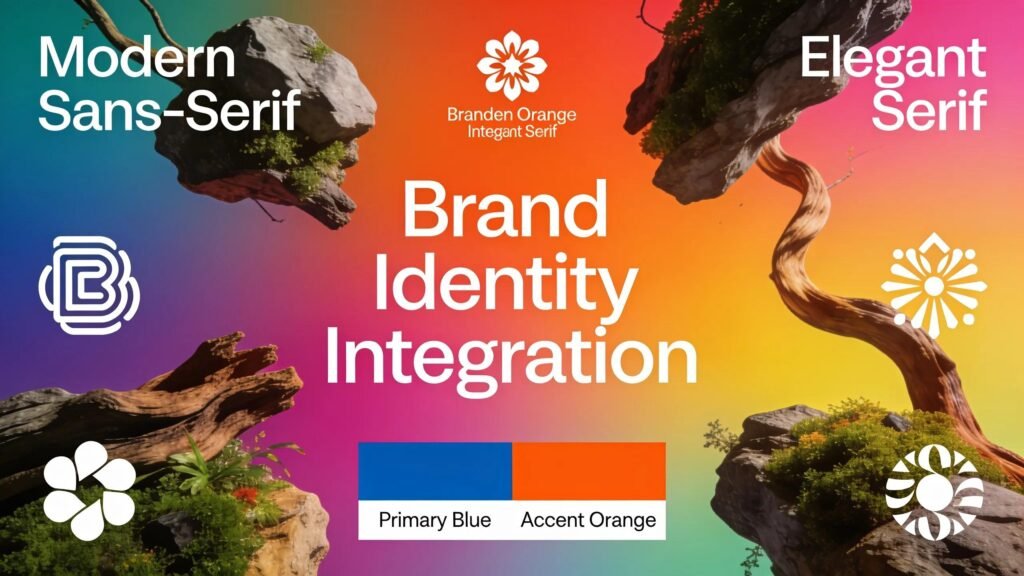
Consistent visuals and a defined brand voice create recognition and trust across digital touchpoints, strengthening customer relationships over time.
What Are the Key Benefits of Personalized Website Solutions for Small Businesses?
Personalized website solutions help small businesses build a stronger online presence. The key benefits include:
- Increased Customer Engagement: Custom designs foster stronger audience connections and longer sessions.
- Improved Branding and Functionality: Tailored sites reflect brand character while adding useful features.
- Competitive Edge: Bespoke experiences help a business stand out in crowded markets.
| Key Benefits | Description | Impact |
|---|---|---|
| Customer Engagement | Direct interaction and personalized experience | High |
| Branding & Functionality | Unique identity reflected online | Medium |
| Competitive Edge | Stand out from competitors | High |
Well-executed, tailored websites can increase visibility, performance, and customer satisfaction for small businesses.
How Does Custom Website Design Enhance Brand Identity and Visibility?
Custom design highlights unique brand attributes—color, texture, imagery—and pairs them with an optimized structure that supports SEO and organic traffic growth.
In What Ways Do Tailored Web Design Services Support Sustained Business Growth?
Tailored design improves conversion paths and user retention by addressing specific business goals and smoothing user journeys for purchases, sign-ups, or repeat visits.
How Is the Custom Website Development Process Designed to Meet Unique Business Needs?
Developing a bespoke site follows stages that align the final product with objectives and stakeholders. This process typically includes:
Key Steps in the Custom Website Development Process
- Initial Consultation: Define needs and goals.
- Planning and Design: Create briefs and mockups with client input.
- Development and Coding: Build the site to spec.
- Testing: Fix usability and technical issues.
- Deployment: Launch the site and verify functionality.
- Ongoing Maintenance: Monitor performance and provide updates.
Customization Options Available
Options add functionality and polish while meeting specific needs. These may involve:
- Unique Layouts: Page structures tailored to content.
- Specialized Features: E-commerce, forms, or integrations.
- Visual Elements: Custom graphics and subtle animations.
Strategies for Aligning Website Design with Business Objectives
To align design and goals, focus on discoverability and reduced friction. Key strategies include:
- SEO Integration: Optimize structure, meta tags, and alt text.
- Usability Principles: Maintain clear navigation and user flow.
Why Is Consultation Essential Before Starting Custom Web Design Projects?
An initial consultation clarifies scope, uncovers constraints, and sets realistic expectations—forming the basis for an efficient, aligned project.
What Are the Pricing Models and Consultation Details for Tailored Web Design Services?
Pricing depends on scope and complexity; transparent estimates explain costs and expected deliverables so clients can assess value.
How Do Pricing Options Reflect Customization Levels in Web Design Solutions?
More bespoke features and integrations increase time and cost; understanding this helps clients choose solutions that match budgets and objectives.
How Can Clients Book a Free Consultation to Discuss Their Unique Website Needs?
Prospective clients can book a free consultation to explore how tailored design meets their needs. The typical process includes:
- Visiting the Website: Go to the consultation booking page.
- Submitting Basic Information: Provide contact details and a brief project summary.
- Receiving Confirmation: Receive an email with meeting details.
This low-commitment workflow makes it easy to evaluate options and next steps.
How Does Brand Identity Integration Influence the Effectiveness of Unique Website Designs?
Embedding brand identity—consistent messaging and visuals—creates a unified experience that increases recognition and trust across channels.
What Digital Branding Strategies Are Applied Within Custom Website Solutions?
Digital branding focuses on consistent presentation and content that supports audience engagement. Essential strategies include:
- Visual Consistency: Uniform colors, fonts, and logos across touchpoints.
- Content Strategy: Relevant, brand-aligned content that informs and converts.
- Social Media Integration: Seamless links to social platforms to drive interaction.
These tactics improve visibility and create a cohesive, immersive user experience.
Frequently Asked Questions
1. What role does user feedback play in custom website design?
User feedback provides practical insights into preferences and usability; applying that feedback iteratively refines design and increases satisfaction.
2. How can businesses measure the success of their unique website design?
Track KPIs like engagement, bounce rate, conversions, and session duration, and combine analytics with user surveys to guide improvements.
3. Are there specific trends in web design that businesses should follow?
Follow trends selectively—minimal layouts, immersive visuals, dark mode, and personalization are popular; prioritize mobile-first approaches that fit your brand.
4. How important is mobile optimization in custom website design?
Mobile optimization is essential: responsive sites offer better performance, lower bounce rates, and improved search visibility.
5. What types of content are most effective for a unique website design?
Use audience-focused content: high-quality images and video, helpful articles, and interactive elements, with clear calls to action to guide conversions.
6. How can SEO be integrated into custom web design?
Integrate SEO early by optimizing structure, meta tags, alt text, clean URLs, and site speed so the site is both attractive and discoverable.
7. What post-launch services can businesses expect for their custom websites?
Expect ongoing maintenance, performance monitoring, security updates, content management, and analytics reporting to sustain site effectiveness.
Conclusion
Investing in a tailored website improves user experience, engagement, and loyalty. Aligning design with business objectives and brand identity helps differentiate your organization and support sustained growth; a free consultation can identify the best next steps.